10 Best Historic Sites in Charleston (Costs & Tips, 2026)
10 of the best historic sites in Charleston, SC — your local answer to the world's best, picked for real costs and real local tips. Save one, track your experiences, and share them with friends.
Find & track best near you →
Find your best local historic sites
🔍 Search “your city best historic sites”
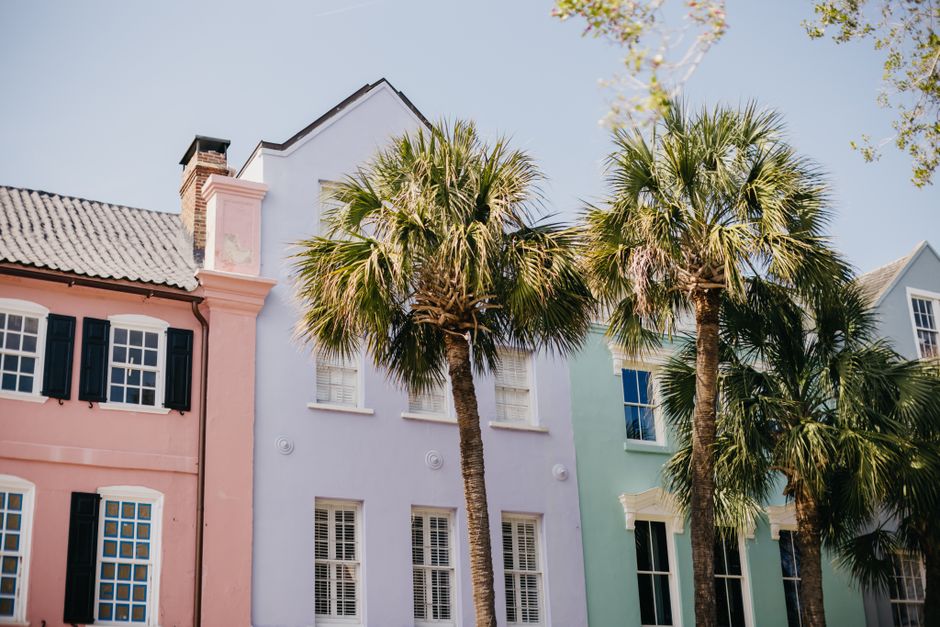
Rainbow Row
Thirteen consecutive pastel-colored houses along East Bay Street, the longest cluster of Georgian row houses in the United States — genuinely private residences, not a museum row, so the pastel paint jobs are homeowners' own choices maintained for the neighborhood's sake. Free to walk and photograph any time, quietest early morning before the tour groups arrive.

The Battery & White Point Garden
A seawall promenade at the peninsula's southern tip where antebellum mansions face directly out over Charleston Harbor toward Fort Sumter, visible in the distance on a clear day. Free, with Civil War-era cannons and monuments scattered through the adjoining park, and this exact stretch is where locals still gather to watch approaching storms roll in off the water.

Fort Sumter National Monument
The Civil War's first shots were fired here on April 12, 1861, and the fort is reachable only by ferry — there's no bridge or causeway, a genuinely different logistics chain from every other entry on this list. Thirty-one dollars covers the round-trip ferry and grounds; the National Park Service rangers give a short talk on the boat itself before anyone sets foot on the island.

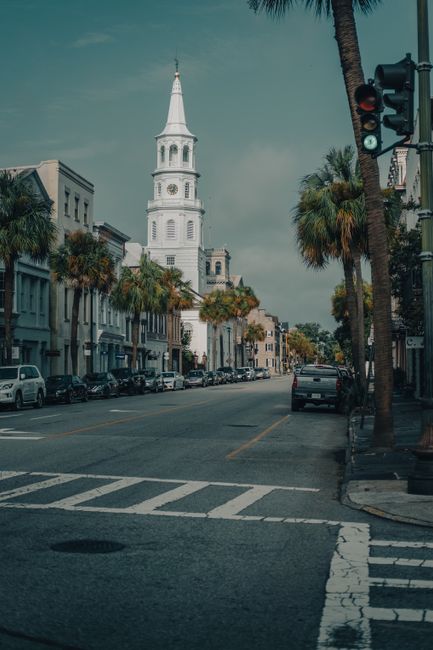
St. Michael's Episcopal Church
Completed in 1761, the oldest surviving church building in Charleston, with a steeple George Washington himself climbed during a 1791 visit specifically for the harbor view from the top. Free to enter during open hours, and the church bells — recast multiple times after fires, a hurricane, and a Civil War melting-down for cannon metal — still ring on the hour today.

Old Slave Mart Museum
One of the last remaining building complexes in the country known to have been used specifically as an indoor slave auction site — the museum inside confronts that history directly rather than softening it, tracing the domestic slave trade through Charleston's own central role in it. Eight dollars, small, and genuinely one of the more sobering stops on this list rather than a casual add-on.
Charleston City Market
Operating continuously in the same 1804 market halls since it opened, making it one of the oldest public markets still running in the country — sweetgrass basket weavers, a Gullah Geechee craft tradition passed down for generations, sell directly from stalls inside rather than through a middleman shop. Free to browse, no obligation to buy, open-air on both ends of the covered halls.

Nathaniel Russell House
Nathaniel Russell House
A National Historic Landmark built in 1808, most famous for a self-supporting spiral staircase that appears to float without visible structural support — engineers still study exactly how it was built with 1808-era techniques. Fifteen dollars, guided tour through period-furnished rooms that show off what a wealthy Charleston merchant's home actually looked like, not a generic colonial-house reproduction.

Aiken-Rhett House
Deliberately preserved rather than restored — peeling paint, worn floors, and original wallpaper left exactly as found rather than refreshed to look new, a genuinely different philosophy from the polished Nathaniel Russell House across town. Fifteen dollars, self-guided audio tour that includes the intact original slave quarters and work yard, presented directly rather than roped off as an afterthought.

St. Philip's Church & Graveyard
One of the oldest congregations in the American South, with a graveyard split by the street itself — the older western section holds John C. Calhoun's grave, the eastern section was added later once the first ran out of space. Free to walk the grounds, and the church's current building, completed in 1838 after an earlier version burned, still holds regular services rather than functioning purely as a historic site.

The Charleston Museum
Founded in 1773, widely credited as the first museum established in the United States, decades before its current building or most of its collection existed — the institution itself predates the country. Fifteen dollars, covering both Lowcountry natural history and a genuine 15-foot Civil War submarine replica, a broader sweep than any single house museum on this list can offer.
Frequently asked questions
How much does Rainbow Row cost?
Free. Thirteen consecutive pastel-colored houses along East Bay Street, the longest cluster of Georgian row houses in the United States — genuinely private residences, not a museum row, so the pastel paint jobs are homeowners' own choices maintained for the neighborhood's sake. Free to walk and photograph any time, quietest early morning before the tour groups arrive.
How much does The Battery & White Point Garden cost?
Free. A seawall promenade at the peninsula's southern tip where antebellum mansions face directly out over Charleston Harbor toward Fort Sumter, visible in the distance on a clear day. Free, with Civil War-era cannons and monuments scattered through the adjoining park, and this exact stretch is where locals still gather to watch approaching storms roll in off the water.
How much does Fort Sumter National Monument cost?
31 USD. The Civil War's first shots were fired here on April 12, 1861, and the fort is reachable only by ferry — there's no bridge or causeway, a genuinely different logistics chain from every other entry on this list. Thirty-one dollars covers the round-trip ferry and grounds; the National Park Service rangers give a short talk on the boat itself before anyone sets foot on the island.