10 Best Historic Sites (Costs & Tips, 2026)
10 of the world's best historic sites, picked for real costs and real local tips. Save one, track your experiences, and share them with friends.
Find & track best near you →
Find your best local historic sites
🔍 Search “your city best historic sites”
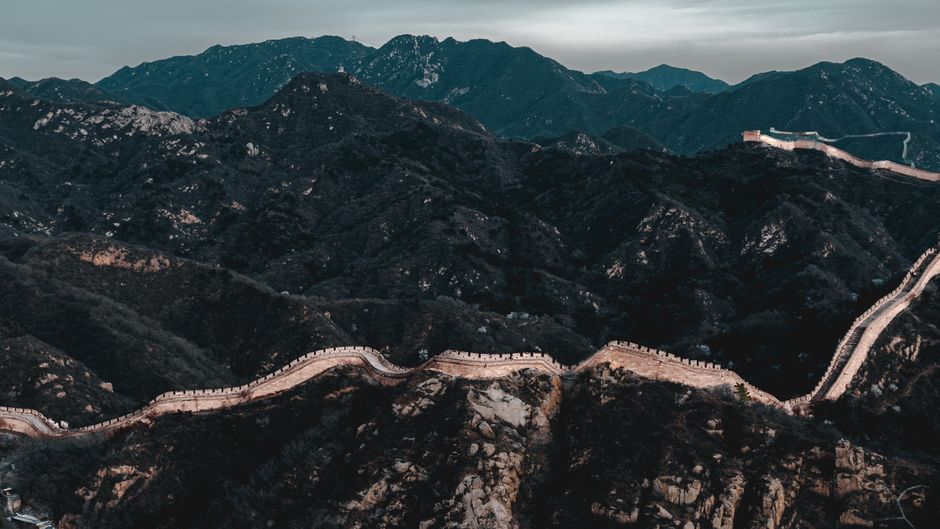
Great Wall of China (Mutianyu section)
Great Wall of China (Mutianyu section)
Skip Badaling — it's the closest section to Beijing and by far the most crowded. Mutianyu is about 90 minutes further out, entry runs around $10, and the cable car up (optional, extra cost) leaves you time to actually walk the wall instead of fighting through tour groups for photos.
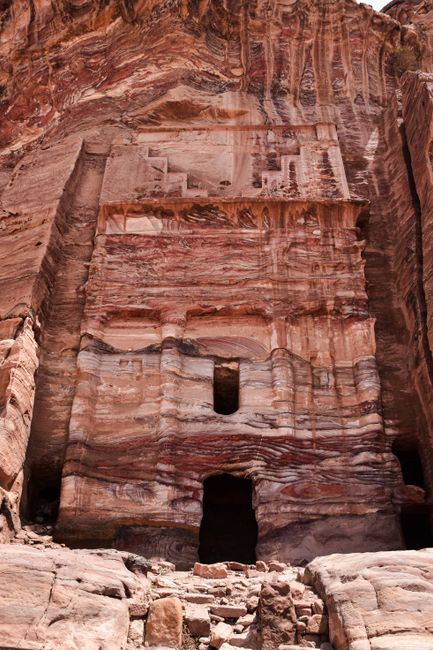
Petra, Jordan
Petra, Jordan
Entry is genuinely expensive — around $70 for a one-day pass, among the priciest tickets on any list like this — but a city carved directly into rose-coloured sandstone cliffs 2,000 years ago doesn't really have a budget equivalent anywhere else on Earth. Walk the 1.2km Siq gorge at dawn before the Treasury facade fills with people.

Colosseum, Rome, Italy
Colosseum, Rome, Italy
Nearly 2,000 years old and still standing well enough that you can walk through the same arches gladiators once did. Entry runs about €18 (book online — the walk-up queue can eat half a day). Go right at opening or in the last two hours before close; midday is a genuine crush of tour groups.

Angkor Wat, Siem Reap, Cambodia
Angkor Wat, Siem Reap, Cambodia
The largest religious monument on Earth, and the one-day pass ($37) also covers the wider Angkor complex — dozens of other temples most visitors never get to because they only budget time for the main one. Arrive for sunrise; it's genuinely crowded but the silhouette against the towers is the reason the ticket price is worth it.

Chichen Itza, Yucatán, Mexico
Chichen Itza, Yucatán, Mexico
El Castillo, the main pyramid, was built with such precise astronomical alignment that a shadow forms a snake slithering down the steps during the spring and autumn equinoxes. Entry costs around $30 with the newer bundled ticket system. Arrive by 8am — buses from Cancún and Playa del Carmen bring serious crowds by late morning.

Alhambra, Granada, Spain
Alhambra, Granada, Spain
Book weeks ahead if you can — tickets are timed and capped daily, and the Nasrid Palaces section (the real highlight, with its carved plasterwork ceilings) sells out fastest. About €19, and worth every bit of the planning required; this is one of the most complete surviving examples of Islamic architecture in Europe.
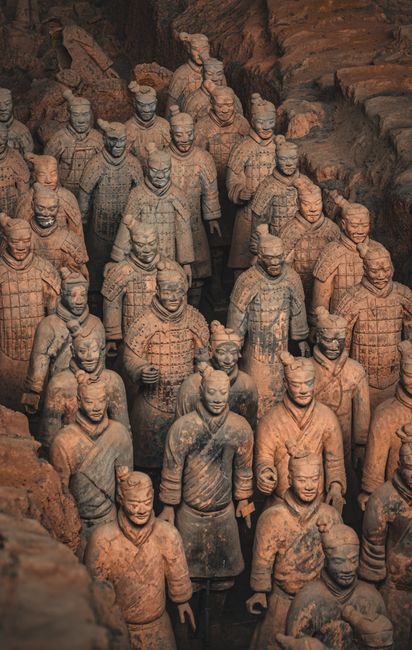
Terracotta Army, Xi'an, China
Terracotta Army, Xi'an, China
A farmer digging a well in 1974 stumbled onto this — over 8,000 life-sized clay soldiers, each with a distinct face, buried to guard an emperor's tomb for two millennia. Entry runs about $20, and Pit 1, the largest excavated hall, is the one to prioritise if you're short on time.
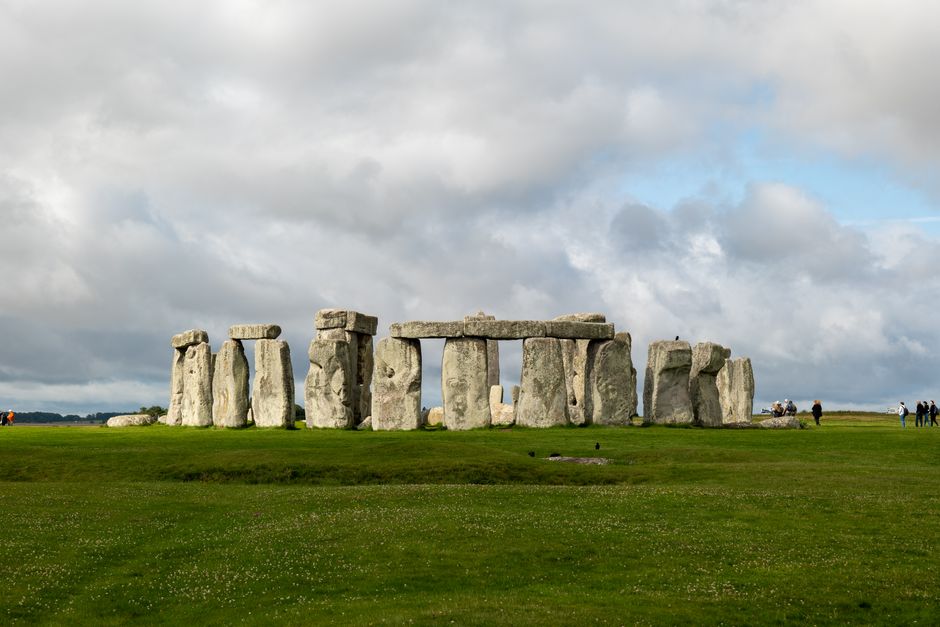
Stonehenge, Wiltshire, England
Stonehenge, Wiltshire, England
Nobody fully agrees on how or why it was built roughly 5,000 years ago, which is honestly part of the draw. Standard entry (~£25) keeps you at a distance behind a rope; if the mystery matters more to you than the price, the Stone Circle Access visits let you walk among the stones themselves for considerably more.
 Representative photoEphesus, İzmir Province, Turkey
Ephesus, İzmir Province, Turkey
Ephesus, İzmir Province, Turkey
One of the best-preserved ancient cities in the Mediterranean — the Library of Celsus facade alone is worth the roughly $18 entry. Go in the early morning in summer; there's very little shade across the site and the marble streets reflect heat back at you by midday.
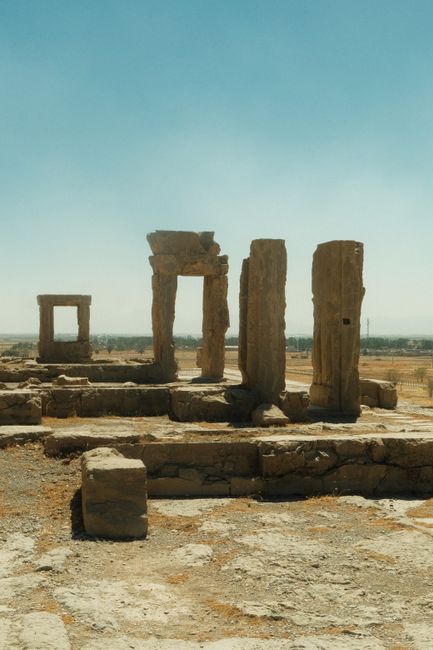
Persepolis, Fars Province, Iran
Persepolis, Fars Province, Iran
The ceremonial capital of the Persian Empire, burned by Alexander the Great, and still standing well enough that the carved reliefs of tribute-bearers along the staircases are legible after 2,500 years. Entry costs a genuinely low $6 — this is one of the most significant ancient sites on Earth and among the least visited by international tourists relative to its importance.
Frequently asked questions
How much does Great Wall of China (Mutianyu section) cost?
10 USD. Skip Badaling — it's the closest section to Beijing and by far the most crowded. Mutianyu is about 90 minutes further out, entry runs around $10, and the cable car up (optional, extra cost) leaves you time to actually walk the wall instead of fighting through tour groups for photos.
How much does Petra, Jordan cost?
70 USD. Entry is genuinely expensive — around $70 for a one-day pass, among the priciest tickets on any list like this — but a city carved directly into rose-coloured sandstone cliffs 2,000 years ago doesn't really have a budget equivalent anywhere else on Earth. Walk the 1.2km Siq gorge at dawn before the Treasury facade fills with people.
How much does Colosseum, Rome, Italy cost?
18 EUR. Nearly 2,000 years old and still standing well enough that you can walk through the same arches gladiators once did. Entry runs about €18 (book online — the walk-up queue can eat half a day). Go right at opening or in the last two hours before close; midday is a genuine crush of tour groups.