10 Best National Dishes (Costs & Tips, 2026)
10 of the world's best national dishes, picked for real costs and real local tips. Save one, track your experiences, and share them with friends.
Find & track best near you →
Find your best local national dishes
🔍 Search “your city best national dishes”

Pho at Pho Gia Truyen, Hanoi, Vietnam
Pho at Pho Gia Truyen, Hanoi, Vietnam
There's no sign — you find it by the queue snaking down Bat Dan Street from 6am. One bowl, one broth (beef, simmered for hours), no menu to agonise over. Around $3 for what a lot of pho obsessives consider the platonic ideal of the dish, in the city that invented it.

Tonkotsu ramen at Ippudo original store, Fukuoka, Japan
Tonkotsu ramen at Ippudo original store, Fukuoka, Japan
Fukuoka is where tonkotsu ramen was born, and the original Ippudo shop is still there doing the pork-bone broth the way it started — cloudy, rich, simmered for the better part of a day. A bowl costs about $8. Every Ippudo elsewhere in the world is, technically, the sequel.

Butter chicken at Moti Mahal, Delhi, India
Butter chicken at Moti Mahal, Delhi, India
Moti Mahal claims — with reasonable evidence — to have invented butter chicken in the 1950s, out of leftover tandoori chicken and a tomato-butter gravy nobody wanted to waste. A full meal runs about $12, which is not cheap by Delhi standards but is the closest thing this dish has to an origin pilgrimage.

Paella at La Pepica, Valencia, Spain
Paella at La Pepica, Valencia, Spain
Open on the Valencia beachfront since 1898, and Hemingway apparently ate here often enough that they still mention it. Valencian paella — rabbit and chicken, not the seafood version tourists expect — costs around €25 and takes real time to cook properly; don't order it if you're in a hurry.

Pastel de nata at Pastéis de Belém, Lisbon, Portugal
Pastel de nata at Pastéis de Belém, Lisbon, Portugal
The original recipe has been guarded here since 1837 and is reportedly known to only three people at any given time. Each tart costs about €1.20, dusted with cinnamon on request — every other pastel de nata in the world is an imitation of the specific thing baked in this building.

Fish and chips at Poppies, Spitalfields, London, UK
Fish and chips at Poppies, Spitalfields, London, UK
Skip the tourist-trap chippies near major attractions — Poppies has been frying since 1945 and still does it properly, in beef dripping, the traditional way most places have quietly abandoned. About £10 for cod and chips, which is roughly what you'd pay anywhere mediocre, except this isn't mediocre.
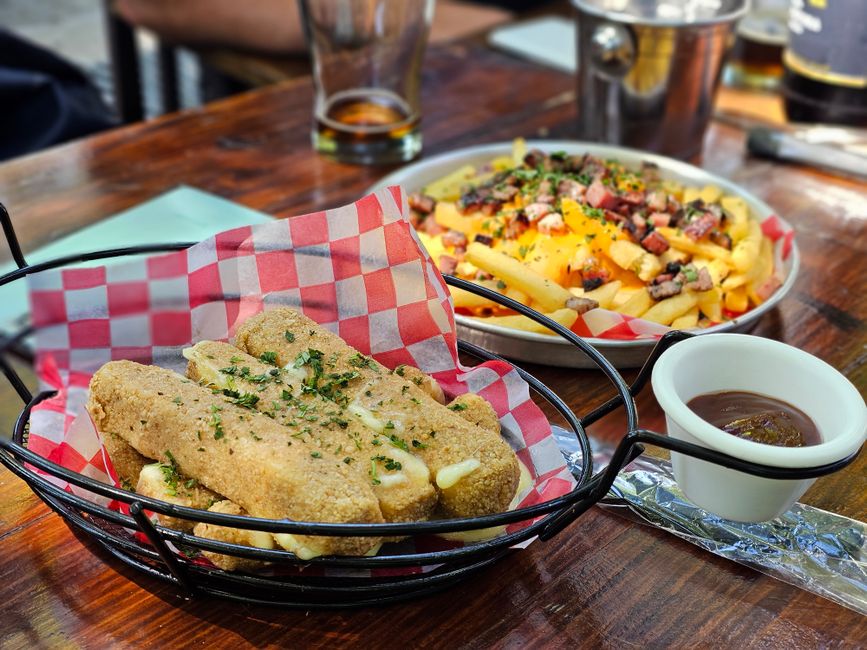
Poutine at La Banquise, Montreal, Canada
Poutine at La Banquise, Montreal, Canada
Open 24 hours, which matters, because poutine at 2am hits differently than poutine at 2pm. Cheese curds that squeak against your teeth, gravy that doesn't fully melt them, fries underneath somehow still crisp — around CAD $10 for the classic version, more if you go for one of the 30-odd variations on the menu.
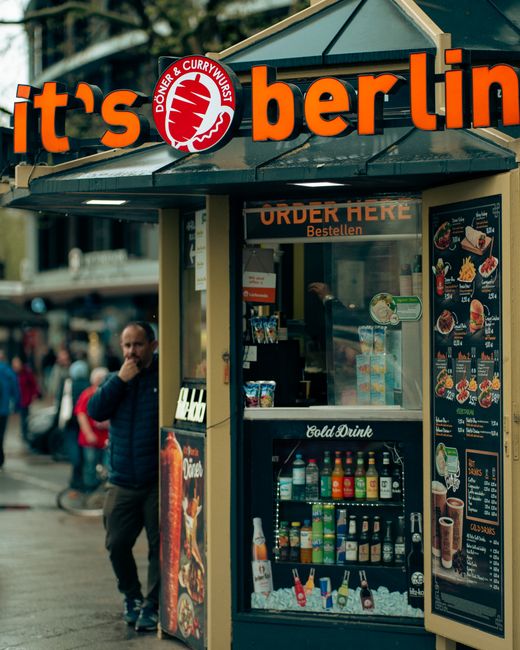
Currywurst at Curry 36, Berlin, Germany
Currywurst at Curry 36, Berlin, Germany
Currywurst was invented in West Berlin after the war — a sausage, ketchup, and curry powder, born from whatever ingredients happened to be around. Curry 36 has become the closest thing to a pilgrimage site for it, with a queue at nearly any hour. About €3, eaten standing up, the way it's meant to be.
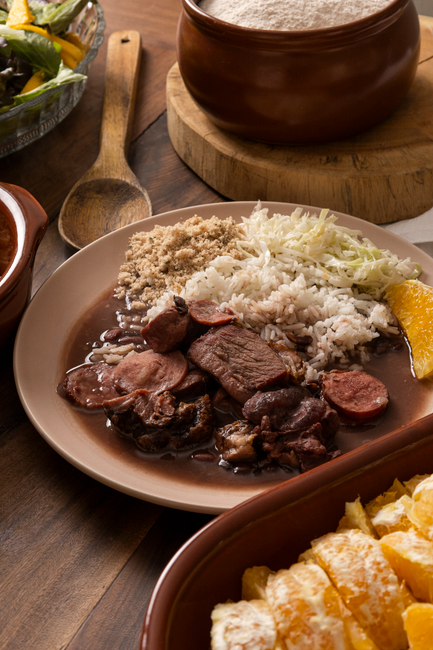
Feijoada at Bar do Mineiro, Rio de Janeiro, Brazil
Feijoada at Bar do Mineiro, Rio de Janeiro, Brazil
Feijoada is traditionally a Saturday dish, and Bar do Mineiro — open since 1962 in the Santa Teresa neighbourhood — is where a lot of locals still go for it. Black beans and pork, slow-cooked for hours, served with rice and orange to cut the richness. About $15, and you will not need dinner afterward.

Mole at Mercado 20 de Noviembre, Oaxaca, Mexico
Mole at Mercado 20 de Noviembre, Oaxaca, Mexico
Oaxaca has seven distinct moles and this market is where you can actually compare them, stall by stall, instead of committing to one restaurant's version. Mole negro — dark, complex, taking upward of 30 ingredients and a full day to make — is the one worth prioritising if you only try one. About $6 for a proper plate.
Frequently asked questions
How much does Pho at Pho Gia Truyen, Hanoi, Vietnam cost?
3 USD. There's no sign — you find it by the queue snaking down Bat Dan Street from 6am. One bowl, one broth (beef, simmered for hours), no menu to agonise over. Around $3 for what a lot of pho obsessives consider the platonic ideal of the dish, in the city that invented it.
How much does Tonkotsu ramen at Ippudo original store, Fukuoka, Japan cost?
8 USD. Fukuoka is where tonkotsu ramen was born, and the original Ippudo shop is still there doing the pork-bone broth the way it started — cloudy, rich, simmered for the better part of a day. A bowl costs about $8. Every Ippudo elsewhere in the world is, technically, the sequel.
How much does Butter chicken at Moti Mahal, Delhi, India cost?
12 USD. Moti Mahal claims — with reasonable evidence — to have invented butter chicken in the 1950s, out of leftover tandoori chicken and a tomato-butter gravy nobody wanted to waste. A full meal runs about $12, which is not cheap by Delhi standards but is the closest thing this dish has to an origin pilgrimage.