10 Best Stargazing & Night Skies (Costs & Tips, 2026)
10 of the world's best stargazing & night skies, picked for real costs and real local tips. Save one, track your experiences, and share them with friends.
Find & track best near you →
Find your best local stargazing & night skies
🔍 Search “your city best stargazing & night skies”
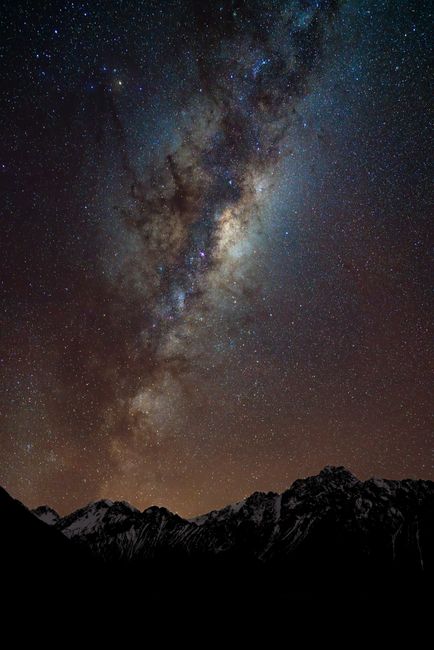
Aoraki Mackenzie Dark Sky Reserve, New Zealand
Aoraki Mackenzie Dark Sky Reserve, New Zealand
Free, and the largest Dark Sky Reserve in the Southern Hemisphere — on a clear moonless night around Lake Tekapo, the Milky Way is bright enough to cast a faint shadow, which sounds implausible until you've seen it. The Church of the Good Shepherd makes an almost unfairly good foreground for photos.

San Pedro de Atacama stargazing, Chile
San Pedro de Atacama stargazing, Chile
Budget guided tours from San Pedro run about $30 and include telescope time. There's a reason major observatories are built here and not somewhere prettier — the altitude and near-zero humidity make the Atacama one of the clearest patches of sky on the planet.
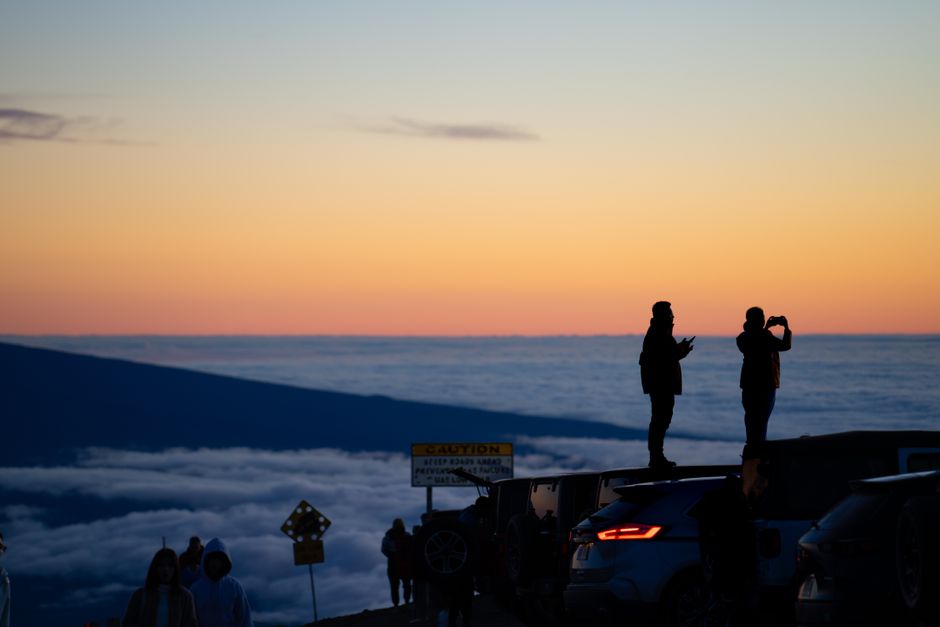
Mauna Kea Visitor Information Station, Hawaii, USA
Mauna Kea Visitor Information Station, Hawaii, USA
Free every night — volunteers run a public stargazing programme at the 2,800m Visitor Information Station with actual telescopes. Mauna Kea's summit hosts some of the world's most powerful observatories, and the same still, clear air that attracts astronomers works just as well for anyone with a pair of eyes.
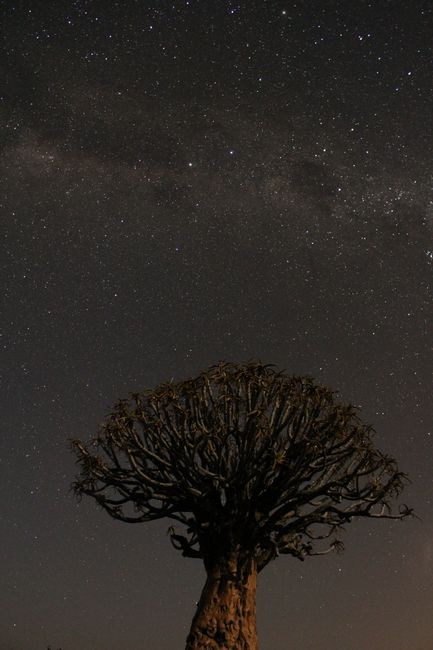
NamibRand Nature Reserve, Namibia
NamibRand Nature Reserve, Namibia
Viewing is free once you're on the reserve; only accommodation costs vary. Africa's first International Dark Sky Reserve pairs zero light pollution with bone-dry desert air, producing skies that feel noticeably denser with stars than anywhere else on the continent.
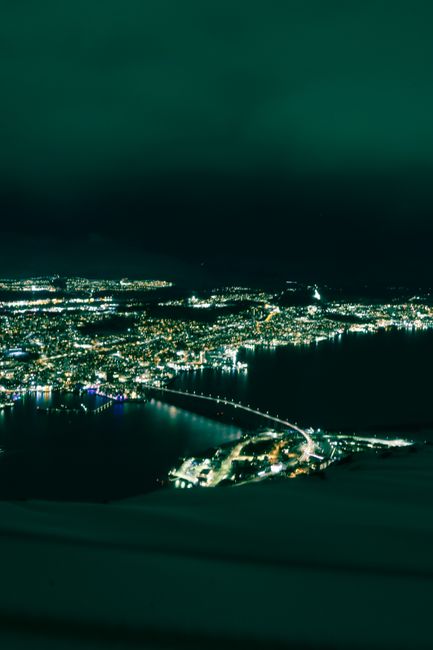
Northern Lights viewing, Tromsø, Norway
Northern Lights viewing, Tromsø, Norway
No tour required — drive or bus a short way out of town to escape the streetlights, then wait. Tromsø sits directly under the auroral oval, giving it one of the best aurora visibility rates anywhere, and the only real cost is patience. September to March.
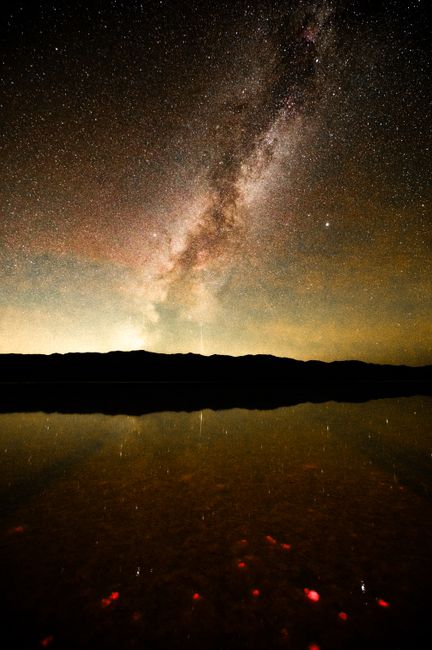
Death Valley National Park night sky, USA
Death Valley National Park night sky, USA
Park entry is $30 per vehicle for a full week, and Death Valley is a certified Gold Tier Dark Sky Park — the lowest, driest, darkest stretch of the US. Badwater Basin and Harmony Borax Works are flat, easy-access spots if you don't want to hike in the dark.
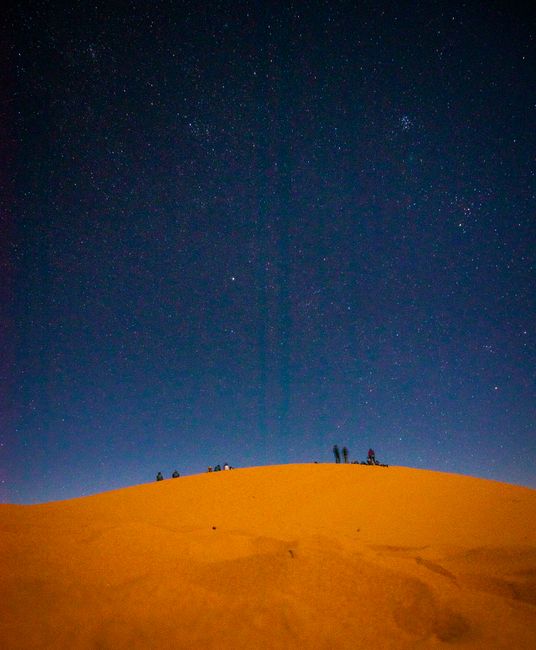
Sahara Desert night sky, Merzouga, Morocco
Sahara Desert night sky, Merzouga, Morocco
A desert camp with a camel trek included runs $25–35 a night, and camping among the Erg Chebbi dunes puts real distance between you and the nearest light bulb. The Milky Way shows up with the naked eye on essentially every clear night.
La Palma dark skies, Canary Islands, Spain
La Palma dark skies, Canary Islands, Spain
Free from any of the island's designated viewpoints. La Palma is a certified Starlight Reserve protected by law from light pollution, and it hosts one of the world's major observatory clusters at Roque de los Muchachos — a rare case of 'accessible' and 'genuinely world-class' actually overlapping in Europe.
Uluru night sky viewing, Australia
Uluru night sky viewing, Australia
Park entry costs AUD $38 for three days. Uluru's silhouette against a near-black outback sky is one of the most photographed night scenes in the Southern Hemisphere, and unlike most famous landscapes, you don't need a long lens or a lucky break to get the shot.

Jasper Dark Sky Preserve, Canada
Jasper Dark Sky Preserve, Canada
Park entry runs about CAD $11 a day for the world's second-largest Dark Sky Preserve, with Rocky Mountain silhouettes doing the framing for you. Old Fort Point and Pyramid Lake are both an easy walk from town if you'd rather not drive in the dark.
Frequently asked questions
How much does Aoraki Mackenzie Dark Sky Reserve, New Zealand cost?
Free. Free, and the largest Dark Sky Reserve in the Southern Hemisphere — on a clear moonless night around Lake Tekapo, the Milky Way is bright enough to cast a faint shadow, which sounds implausible until you've seen it. The Church of the Good Shepherd makes an almost unfairly good foreground for photos.
How much does San Pedro de Atacama stargazing, Chile cost?
30 USD. Budget guided tours from San Pedro run about $30 and include telescope time. There's a reason major observatories are built here and not somewhere prettier — the altitude and near-zero humidity make the Atacama one of the clearest patches of sky on the planet.
How much does Mauna Kea Visitor Information Station, Hawaii, USA cost?
Free. Free every night — volunteers run a public stargazing programme at the 2,800m Visitor Information Station with actual telescopes. Mauna Kea's summit hosts some of the world's most powerful observatories, and the same still, clear air that attracts astronomers works just as well for anyone with a pair of eyes.