10 Best Parks & Gardens in San Diego (Costs & Tips, 2026)
10 of the best parks & gardens in San Diego, CA — your local answer to the world's best, picked for real costs and real local tips. Save one, track your experiences, and share them with friends.
Find & track best near you →
Find your best local parks & gardens
🔍 Search “your city best parks & gardens”

Balboa Park
One of the largest urban cultural parks in the country, home to 17 museums, the San Diego Zoo, and a Spanish Colonial Revival architecture campus built for the 1915 Panama-California Exposition and never torn down afterward. The park grounds and gardens are free every day; most of the museums run a rotating "free Tuesday" schedule where a different set waives admission each week — check the current calendar before planning around a specific one.

Mission Bay Park
Over four thousand acres of calm bay water and shoreline, built specifically for sailing, kayaking, and paddleboarding rather than left as incidental waterfront — the largest man-made aquatic park in the country. Free to access; kayak and paddleboard rental stands sit right along the shore for anyone without their own gear.
Presidio Park
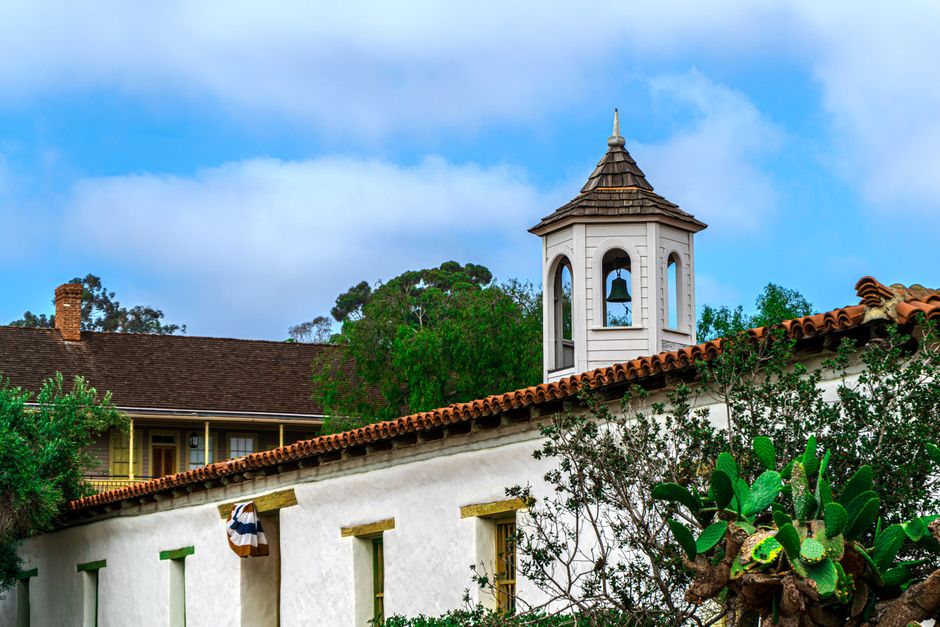
Marks the site of the first European settlement on the West Coast of the United States, a 1769 Spanish military and mission outpost, though the Junípero Serra Museum standing here now is a 1929 building, not an original structure. Free, hilltop, with sweeping views over Mission Valley and the bay that make the climb up worth it even without the history.

Torrey Pines State Natural Reserve
Home to the rarest native pine species in the country, found in the wild in only two places on Earth — this reserve and one offshore Channel Island. Free entry (parking costs extra at the main lot, or park free on the road above and walk in), with clifftop trails overlooking the beach below rather than through-forest hiking.
 Representative photoKate Sessions Park
Kate Sessions Park
Kate Sessions Park
Named for the horticulturist who personally planted much of Balboa Park's original landscaping in the 1890s, this smaller hilltop park in Pacific Beach gets far fewer visitors despite arguably better panoramic views — Mission Bay, the ocean, and on clear days the full curve of the coastline north to La Jolla. Free, with steep grassy slopes locals use for picnics and impromptu sledding on cardboard when it's windy enough for kites.
Chicano Park (Barrio Logan)
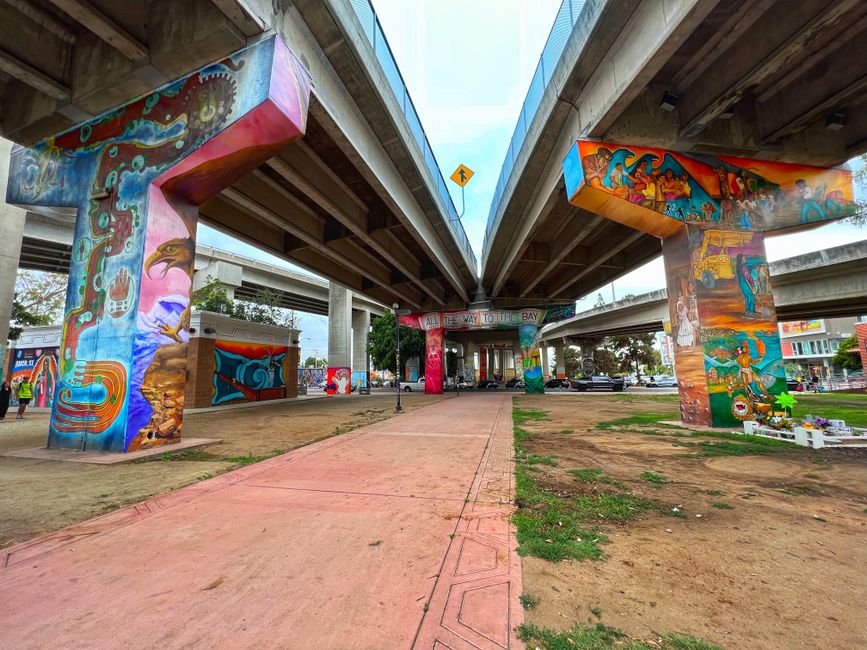
Created in 1970 after a community occupation stopped the land beneath a freeway interchange from becoming a California Highway Patrol station instead — the massive concrete freeway support pillars overhead are now covered in over 80 murals depicting Chicano history and culture, designated a National Historic Landmark in 2017. Free, and the park hosts an annual anniversary celebration each April marking the original occupation.

Cabrillo National Monument
Juan Rodríguez Cabrillo, the first European to set foot on what's now the U.S. West Coast, landed here in 1542, at the very tip of the Point Loma peninsula. Twenty dollars per vehicle (a National Park Service site, not a city park), with tide pools accessible at low tide and a bluff-top point that doubles as one of the best land-based gray whale watching spots on the coast each winter.

Embarcadero Marina Park
A downtown waterfront park split into North and South sections by the convention center, with San Diego Bay on one side and views of the USS Midway Museum's retired aircraft carrier moored nearby on the other. Free, and the flat, paved paths here make it one of the easiest downtown spots for an evening walk without dealing with traffic.
Representative photoSpanish Landing ParkSpanish Landing Park
Spanish Landing Park
Sits directly across the harbor from the airport's main runway, close enough that planes landing at San Diego International pass low overhead — a genuine draw for plane-spotters rather than an accidental annoyance. Free, with picnic areas and a view across the water to the downtown skyline that photographs well at sunset.
Representative photoLiberty Station (NTC Park)Liberty Station (NTC Park)
Liberty Station (NTC Park)
A former Naval Training Center, decommissioned in 1997 and converted into a public promenade lined with the original 1920s Spanish Colonial barracks buildings, now housing art studios, galleries, and restaurants rather than sailors. Free to walk the grounds, with the parade-ground lawn and its rows of preserved palm trees still recognizable from the base's military-era photographs.
Frequently asked questions
How much does Balboa Park cost?
Free. One of the largest urban cultural parks in the country, home to 17 museums, the San Diego Zoo, and a Spanish Colonial Revival architecture campus built for the 1915 Panama-California Exposition and never torn down afterward. The park grounds and gardens are free every day; most of the museums run a rotating "free Tuesday" schedule where a different set waives admission each week — check the current calendar before planning around a specific one.
How much does Mission Bay Park cost?
Free. Over four thousand acres of calm bay water and shoreline, built specifically for sailing, kayaking, and paddleboarding rather than left as incidental waterfront — the largest man-made aquatic park in the country. Free to access; kayak and paddleboard rental stands sit right along the shore for anyone without their own gear.
How much does Presidio Park cost?
Free. Marks the site of the first European settlement on the West Coast of the United States, a 1769 Spanish military and mission outpost, though the Junípero Serra Museum standing here now is a 1929 building, not an original structure. Free, hilltop, with sweeping views over Mission Valley and the bay that make the climb up worth it even without the history.